Regenerative Organic
Farming the Way Nature Intended
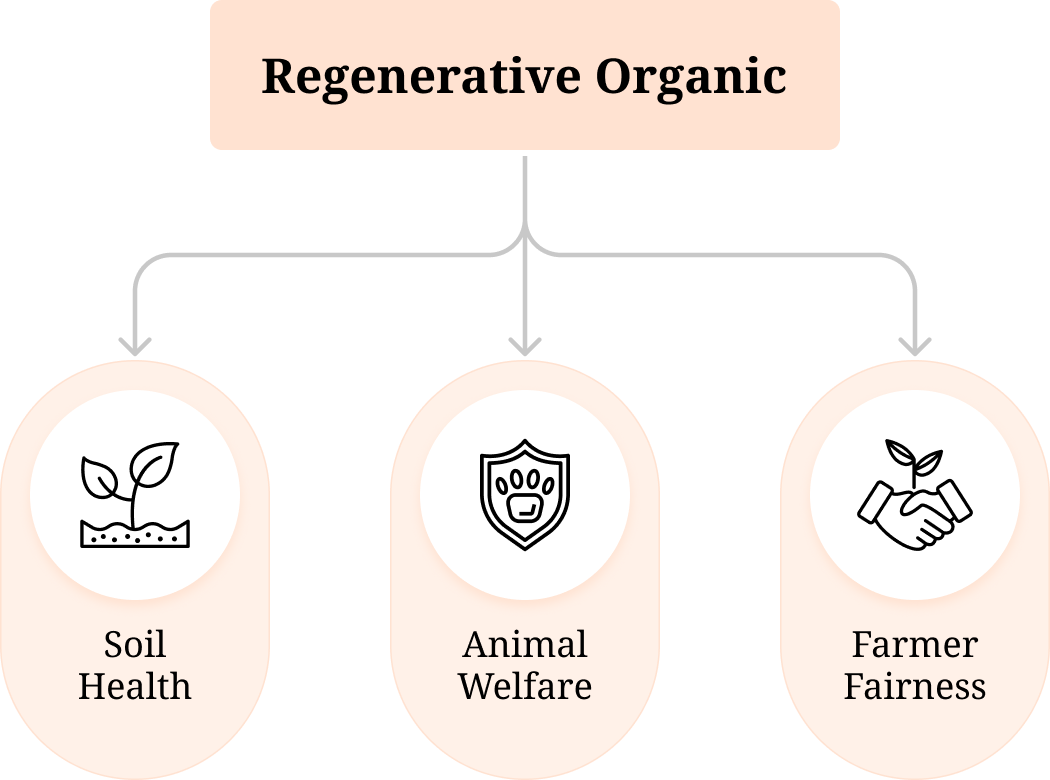
Regenerative agriculture means farming in a way that restores soil health while producing high-quality crops. It focuses on building organic matter, improving soil structure, increasing biodiversity, and reducing dependence on synthetic inputs. Practices like cover cropping, composting, crop rotation, and minimal tillage help soils retain water, store carbon, and support plant growth. For botanicals, this leads to healthier plants, more consistent phytochemical profiles, and long-term farm productivity. It also strengthens farmer livelihoods in the long run by lowering input costs and protecting land for future generations.
Why Regenerative Organic Certified (ROC)?
- Builds on USDA Organic + adds soil, animal, and social standards.
- We obtained our ROC™ Bronze Certification in April 2025.
- The botanicals shown below are available as 100% ROC
Our Product Offerings
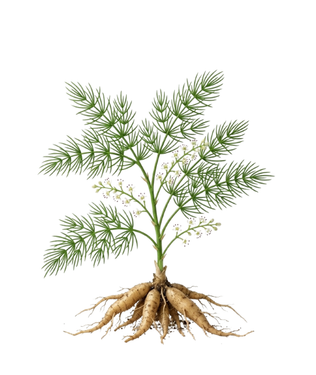
Shatavari
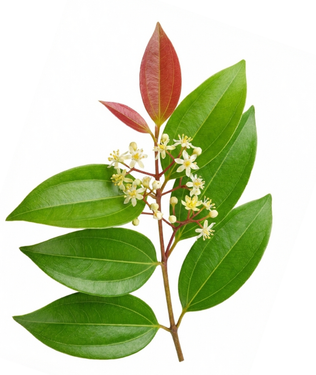
Cinnamon
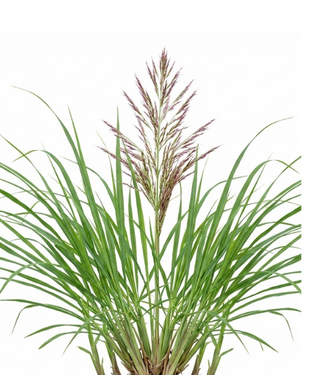
Lemongrass
Cardamom
Chamomile
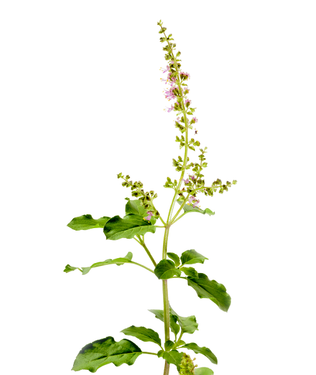
Tulsi
Rose
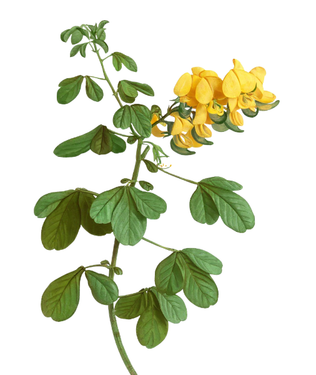
Senna
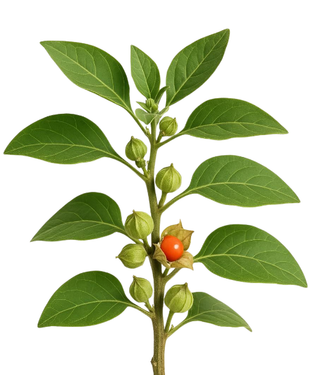
Ashwagandha
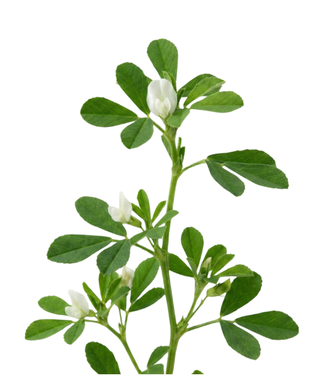
Fenugreek
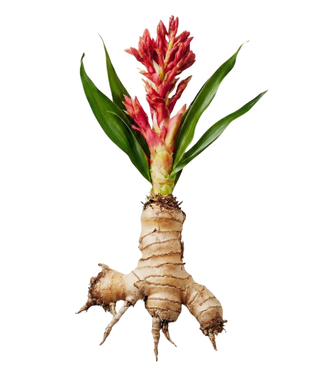
Turmeric
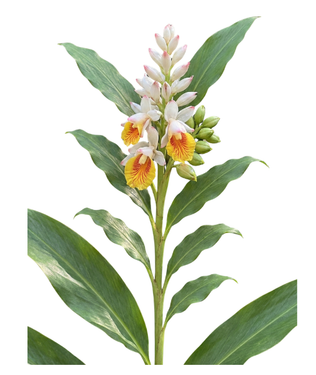
Ginger
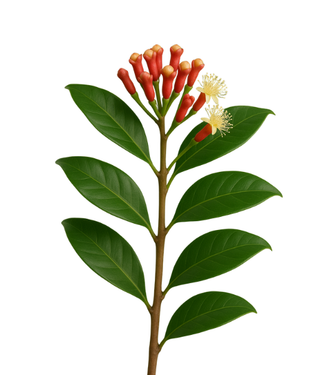
Clove
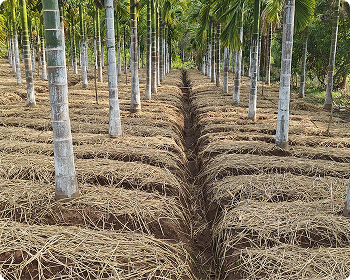
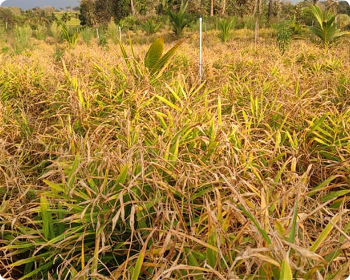
Regenerative Organic through the example of Ginger
Insights into the innovative practices of organic cultivation of ginger in Karnataka, India
01
Organic
No synthetic fertilizers, pesticides, GMO, antibiotics or growth hormones
02
Biocontrol agents
In place of pesticides, Pseudomonas fluorescens and Bacillus subtilis are added to manage soil-borne diseases
03
Compost
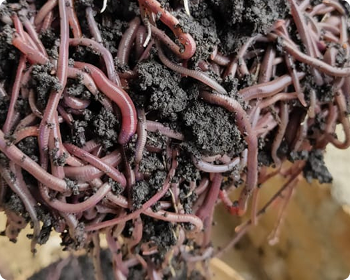
Vermicompost or other natural manures are applied as natural pesticides and fertilizers for soil.
04
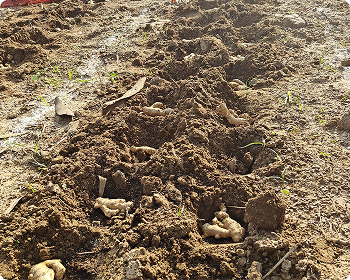
No or low tilling
Reducing soil disturbance to retain moisture, organic matter, and soil structure.
05
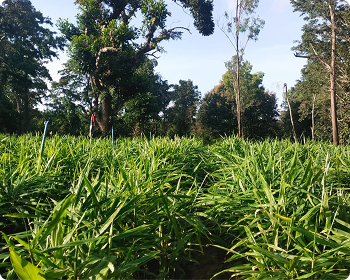
Intercropping
Growing complementary crops together to improve soil health and land efficiency.
06
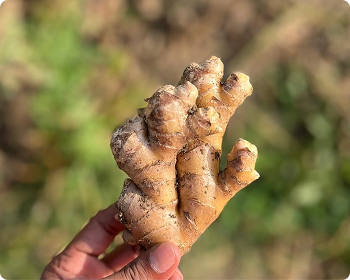
Harvest and crop rotation
After 8-9 months, when leaves yellow and dry, farmers hand-harvest the rhizomes. Every 3 to 4 years, they practice crop rotation with legumes or cereals to maintain soil nutrients.